
Knauf Radiant Barrier Installation: The West Covina Owner’s Guide
We stock and install Knauf-compatible radiant barrier products across West Covina, with installed prices typically running $1.40 to $2.80 per square foot depending on attic access, existing insulation condition, and whether we’re stapling to rafters or laying over existing blown-in fiberglass. Most West Covina homes we quote are done in a single day, and our trucks carry enough Knauf insulation and radiant barrier material to handle attics up to about 2,500 square feet without a second trip. The usual way homeowners find us is the same story: a July afternoon when the upstairs bedrooms hit 85 degrees with the AC running full blast, and someone finally goes up there with a flashlight and sees the old foil hanging in strips.
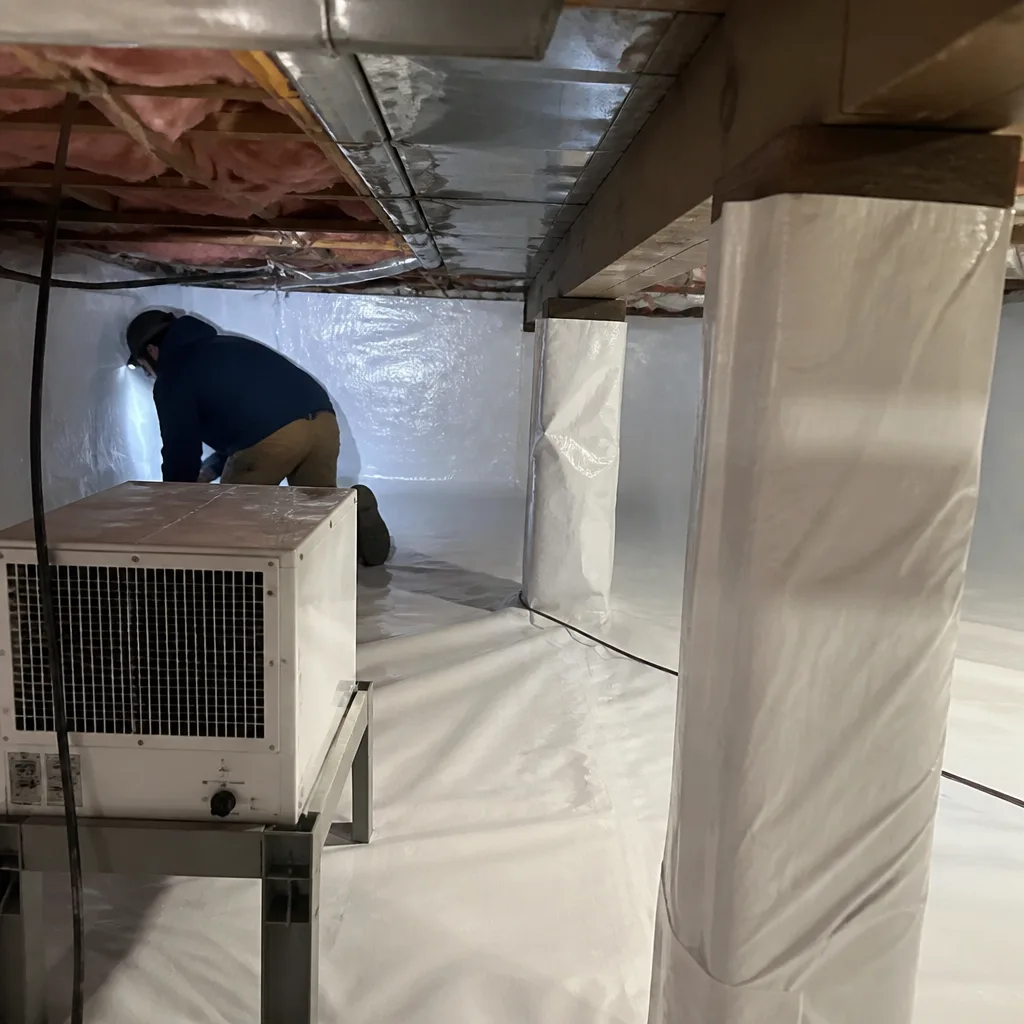
Here’s the thing about radiant barrier in West Covina specifically: it fails faster here than in coastal LA because our summer attic temperatures routinely hit 140 to 150 degrees in the San Gabriel Valley. That heat bakes the adhesive on cheap foil-faced products until the foil separates from the backing. Knauf’s radiant barrier products hold up better than most because they use a woven scrim reinforcement, but even good products fail eventually, especially when they were installed before current California Title 24 energy code updates.
Which Knauf Models This Applies To
Knauf makes radiant barrier in two primary forms: Knauf Insulation EcoBatt with radiant barrier facing and Knauf reflective insulation rolls. The EcoBatt line comes in R-13, R-19, and R-30, with the foil facing available in perforated and non-perforated versions. The perforated version matters in West Covina because it allows moisture vapor to pass through, which you want in attics with older venting setups common in neighborhoods like the ones off Azusa Avenue.
For homes built before roughly 1995 in West Covina, you’re more likely dealing with a retrofitted radiant barrier stapled to the underside of rafters rather than integrated batts. Identifying compatibility means looking at the attic space, not a model number: rafter spacing (16 or 24 inches on center), the presence of existing insulation, and whether the roof deck has soffit venting all determine which Knauf product fits. We carry both the R-19 and R-30 EcoBatt with radiant barrier facing plus reflective rolls on our trucks. For older attics with tight access, the reflective roll product is typically the faster install. OEM Knauf material is what we default to because the foil bonding spec is simply more consistent than aftermarket equivalents, and at our installed price, the material cost difference is usually under $150 on an average West Covina attic.
Signs Your Knauf Radiant Barrier Installation Is Failing
- Upstairs rooms that won’t hold temperature. When foil delaminates or tears, the reflective surface stops bouncing radiant heat back. Your second floor stays 10 to 12 degrees hotter than the first floor on summer afternoons, even with the AC running. We see this constantly in two-story homes near the Eastland Center corridor.
- Visible sagging or hanging foil in the attic. Staples pull loose over years of thermal expansion and contraction. If you can see foil drooping between rafters, it’s lost most of its effectiveness. The fix is re-stapling or replacing sections, not just pushing it back up.
- Dusty, whitish residue on the foil surface. In West Covina’s dry heat, dust builds up on attic surfaces and settles on radiant barrier. A thin coating of dust can cut reflectivity by half or more. When we inspect and find heavily dusted barrier, replacement usually makes more sense than cleaning.
- Ripped or torn sections near access points. The area around attic hatches and HVAC equipment takes abuse from service calls and storage. Torn foil equals zero performance in those spots. We reinforce these sections with extra staples or replace panels entirely.
- Higher summer electric bills compared to previous years. If your July and August usage climbs year over year without a change in household behavior, degraded radiant barrier is frequently part of the picture. West Covina’s utilities, SoCal Edison and The Gas Company, both show seasonal spikes that attic heat contributes to directly.
Replacement Cost & What’s Included
For a typical West Covina home with 1,200 to 1,800 square feet of attic space, Knauf radiant barrier installation runs $1,800 to $4,200 fully installed. That includes removal of failed material, new Knauf product, stapling or taping to manufacturer spec, and cleanup. What drives the price: attic height and walkability, whether old insulation needs topping up, and how much of the existing barrier is salvageable.
Every radiant barrier job we do includes the Done Right Promise: if the install isn’t right, we come back and make it right, no runaround, for as long as you own the home. The $40 off any repair over $200 applies to radiant barrier repairs too. We give upfront pricing before work starts, not after. No trip charge to come out and assess your attic if you’re in our county. If you already have a written estimate from another company, bring it to us for a free second opinion. Our senior and veteran discount is 10% off, always.
DIY or Call Us?
Radiant barrier installation in an attic is not high-tension dangerous like garage door springs, but it is genuinely unpleasant and physically risky work. Attics in West Covina in summer hit temperatures that can cause heat exhaustion in under 20 minutes. You’re working above joists, balancing on narrow framing, and the foil edges will cut your hands if you’re not wearing gloves. What you can safely do yourself: look up there with a flashlight in the early morning, check for sagging foil, visible tears, or dust buildup. Document what you see with photos.
What goes wrong with DIY: improper stapling that leaves gaps rendering the barrier ineffective, walking through ceiling drywall, cutting foil too short so it doesn’t overlap correctly at seams, and installing non-perforated barrier over a damp attic that then traps moisture. We’ve repaired all of these outcomes in West Covina homes. If the job looks straightforward and the attic is cool, some handy owners can manage small sections. Most realize quickly that a full attic on a Saturday afternoon isn’t worth the heat exhaustion. Call us at (626) 612-1532 and we’ll come look, give you a straight answer, and a price that doesn’t change when the work starts.
FAQs
Properly installed Knauf radiant barrier lasts 15 to 25 years in West Covina’s climate. Perforated products hold up slightly better in our dry heat because moisture has an escape path, which reduces adhesive breakdown at the foil-to-scrim junction. Install quality matters more than product age: poorly stapled barrier starts sagging within 5 years. Call (626) 612-1532 for an attic inspection and we’ll tell you what you’ve actually got up there.
Yes, in about half the cases we see in West Covina, a section repair works fine. If the foil is delaminated from the backing or heavily dusted, replacement is the honest answer. If it’s simply loose staples or a few tears near the attic hatch, we can repair those sections for a few hundred dollars rather than a full replacement. Estimates are free, so call us and we’ll tell you which route makes sense before any money changes hands.
Most West Covina homes are done in one day, six to eight hours. Larger attics or jobs that include removing old blown-in insulation may take a second day. We schedule based on attic temperature too: during summer, we start early, often at 6 AM, to beat the worst of the heat. Call (626) 612-1532 and we’ll give you a realistic timeline for your specific attic.
We keep Knauf EcoBatt with radiant barrier facing in R-19 and R-30 plus reflective rolls on our trucks. We also carry Reflectix as an alternative for smaller or oddly shaped attic spaces. You never need to order material yourself. Call (626) 612-1532 and a live person answers, 24/7, and can tell you what’s on the truck today.
Written by Walt Brenner, Owner, Walt’s Insulation at Walt’s Insulation, serving West Covina and nearby areas.