
Demilec Radiant Barrier Installation: The West Covina Owner’s Guide
Demilec radiant barrier installation in West Covina typically runs $1.75 to $3.25 per square foot installed, and we keep the materials stocked at our shop so we can usually get the job done same week, often same day if you call before noon. Most homeowners discover their radiant barrier has failed when their upstairs rooms suddenly feel ten degrees hotter in July, or when their AC runs nonstop and the July SCE bill arrives looking like a car payment. The foil tears, the staples pull loose, or the original installer used the wrong product for a vented attic in the San Gabriel Valley heat, and the reflective surface stops doing its one job.
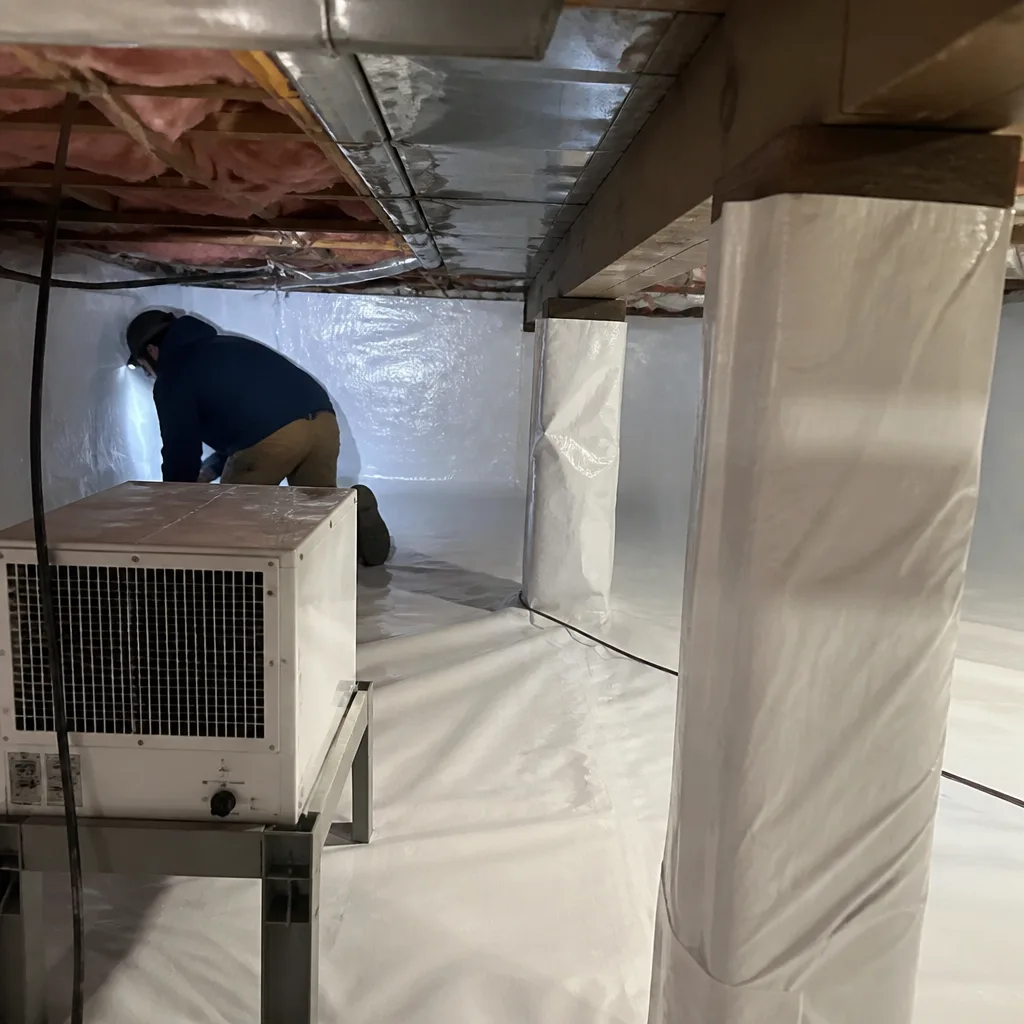
West Covina homes from the 1960s through the 1980s, especially around Eastland Center and the neighborhoods off Azusa Avenue, often have original decking that’s never been retrofitted. We’ve pulled out radiant barrier that was installed right over old batt insulation without an air gap, which defeats the entire reflective principle. What works in a Dallas attic doesn’t always translate to our summer attic temperatures, which routinely hit 140 degrees out here.
We’re an independent installer, not affiliated with Demilec corporate, but we’ve been installing their products since they entered the Southern California market. That matters because their radiant barrier lineup has changed over the years, and the product you need today isn’t necessarily the one your home got fifteen years ago.
Key takeaways:
- Demilec radiant barrier materials are in stock and ready for West Covina installs.
- Installed pricing typically ranges $1.75 to $3.25 per square foot depending on attic accessibility and prep work.
- The biggest installation mistake we see is missing the air gap, the second biggest is using a perforated product in a vented attic where condensation collects.
- The Done Right Promise covers the labor for the life of the install. If it sags or detaches, we fix it.
Which Demilec Models This Applies To
Demilec makes radiant barriers under a few product families, and the compatibility question trips up a lot of West Covina homeowners trying to match a torn product to a new purchase. The main lines we install are the foil-faced radiant barrier sheets designed for staple-up installation under roof rafters, and the foil-laminated roof decking products that get installed during reroofs. The specs differ in ways that matter.
The single-wall reflective foil products, typically sold in 4-foot-wide rolls, use a woven polyethylene scrim sandwiched between aluminum foil faces. The critical spec is the perm rating. Demilec’s perforated products are designed for cold climates where you need vapor to pass through. West Covina’s climate calls for a non-perforated or low-perm product. We’ve seen homeowners buy the wrong roll at a big-box store and create attic moisture problems that didn’t exist before. If you’re replacing a torn section, check the product label on the remaining roll for the perm rating and match it.
For the roof-decking products, the compatibility gotcha is thickness. Your existing decking is almost certainly 7/16-inch or thicker OSB or plywood. Foil-laminated decking comes in the same thicknesses, but the radiant surface needs to face the attic air space. If your original roofer installed it foil-side-up against the shingles, the barrier was doing nothing from day one. That’s a reroof fix, not a weekend project.
When it comes to OEM versus aftermarket equivalents: with radiant barrier, the brand on the roll matters less than the foil purity and the scrim reinforcement. Low-grade generic foils oxidize and dull within three to five years in a hot attic. Demilec’s foil holds up better, and that’s why we stock it rather than generic rolls. We also carry Reflectix products for smaller jobs and duct wrap where the spec calls for it.
Signs Your Demilec Radiant Barrier Installation Is Failing
- Upstairs rooms that won’t cool down by 6 p.m. Radiant barrier works by reflecting radiant heat before it reaches your insulation. When it delaminates or tears away from the rafters, heat pours straight through to the insulation below. The symptom is specific: downstairs fine, upstairs hot even after the AC runs all afternoon.
- Visible foil sagging, tearing, or pulling away from staples. Attic temperatures swing from 40 degrees in winter to 140-plus in summer. That expansion cycle works staples loose over ten to fifteen years. The foil starts draping between fasteners, and the air gap collapses, which kills the reflective function.
- Dust filming the foil surface. A layer of dust acts like a blanket over the reflective surface. Reflective insulation needs a clean face, which is why the air gap matters. If your foil looks dull and gray, it’s reflecting a fraction of what it should. In West Covina, where the Santa Ana winds push dust through vented attics, this shortens effective lifespan significantly.
- AC running longer with no change to your thermostat setting. This is the one homeowners notice first, and it usually shows up in August. A failed barrier forces your insulation to do all the work, and blown fiberglass or old batt insulation loses its R-value once it compresses or gets damp.
- Original install done without an air gap. Some West Covina homes had radiant barrier stapled directly to the underside of roof sheathing, flat against the decking. No air gap, no radiant benefit. It’s not a failure of the Demilec material, it’s an installation error from day one, and the fix is a reinstall done properly.
Replacement Cost & What’s Included
For a typical West Covina attic between 1,200 and 1,800 square feet, Demilec radiant barrier installation runs roughly $2,100 to $5,800 installed. The range is driven by attic height, the amount of old material we’re removing, and whether we’re working around existing ductwork or rerouting it. Ranch homes with open, walkable attics land at the lower end. Tight, low-pitch attics with truss webs everywhere cost more because every square of material has to be cut around framing.
Our pricing includes the Demilec material, all fasteners, the labor, and a thorough inspection of your existing insulation while we’re up there. If we find compressed or rodent-soiled insulation, we’ll tell you and give you a separate number for the fix. No surprises, no vague line items. You’ll see exactly what the material costs and exactly what the labor costs. And every install carries the Done Right Promise for life. If the barrier sags, tears at the seams, or detaches from the rafters, we’re coming back to fix it. That’s not a limited warranty with a phone tree at the other end. That’s Walt’s crew, and we’re about twenty minutes from most West Covina neighborhoods.
We offer $40 off any repair over $200, and we’ll give you a free second opinion on any written estimate you’ve gotten from another shop. No trip charge inside our service county.
DIY or Call Us?
Radiant barrier installation is not dangerous like garage door springs or a live electrical panel, and we’ll be straight with you about that. It won’t hurt you. But it’s unpleasant work in a hot, cramped attic, and the mistakes that matter are invisible ones. If you staple foil directly to the sheathing with no air gap, it doesn’t work. If you use a perforated product in a humid vented attic, you can trap moisture against the decking, which means mold and rot you won’t see until it’s expensive. If you don’t overlap the seams correctly, you create thermal bypasses.
What you can safely do yourself: go up with a flashlight and check for sagging, tears, dust buildup, and whether the foil has an air gap. Take photos. That inspection costs you nothing and tells us a lot. But for the actual replacement, it’s worth having someone in the attic who’s done a few hundred of these and knows what failing work looks like. If you’re in West Covina and want to know whether your radiant barrier is doing its job, call (626) 612-1532 and we’ll put eyes on it. Good insulation isn’t flashy. It just works, every day, whether you notice it or not.
FAQs
A properly installed Demilec radiant barrier in West Covina lasts 15 to 20 years before the foil starts oxidizing or the staples pull loose, though dust accumulation in our Santa Ana-affected attics can cut that closer to 12 years. Replacement is straightforward, and the material cost is the smaller part of the job.
Small tears can be patched with foil tape, and we’ll do that when it’s worth doing. If the tear is larger than a dinner plate, the foil is sagging between rafters, or the air gap has collapsed across a wide section, a partial replacement is the honest recommendation. We don’t sell full replacements for attics that just need a patch.
Most West Covina radiant barrier installations are done in a single day, with larger or awkward attics taking two. We protect your walkways, keep the mess in the attic, and you’ll know exactly who’s in your house because our techs are background-checked, uniformed, and they come from our shop, not a subcontractor list.
We stock Demilec radiant barrier material at our shop, along with Reflectix for smaller specialty jobs. If your project needs something unusual, we can order it and it typically arrives within three business days. Call (626) 612-1532 and we’ll tell you exactly what’s in stock before you commit to anything.
Written by Walt Brenner, Owner, Walt’s Insulation at Walt’s Insulation, serving West Covina and nearby areas.