
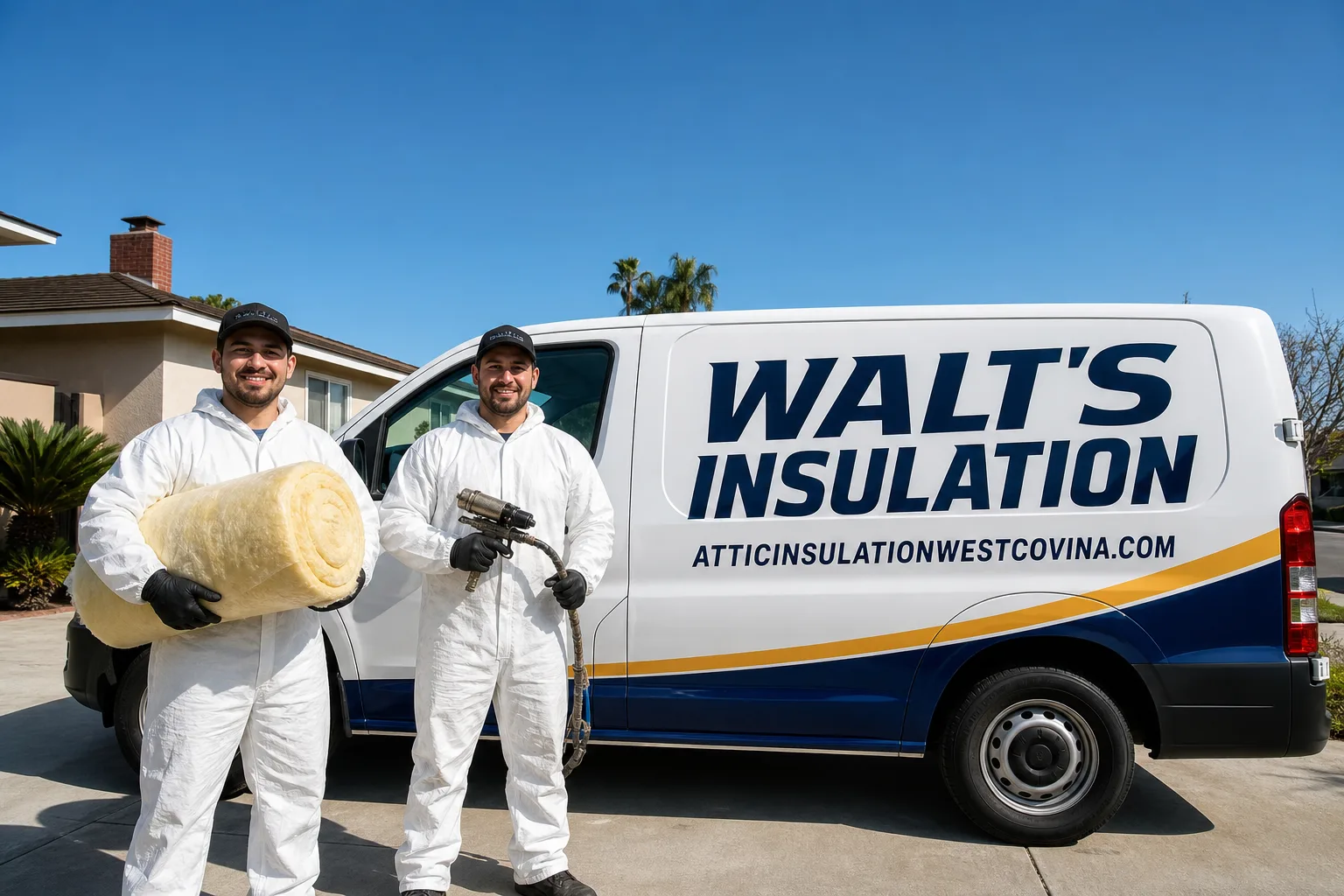
Fast, Reliable Attic Insulation Across Azusa
Attic insulation in Azusa typically runs $1,200-$3,800 for a full job, and we can usually start within a few days, not weeks. If you’re reading this because your upstairs bedrooms turn into ovens by 3 p.m. or your AC runs nonstop from June through October, you’re in the right place. We’ve been insulating attics in the Canyon City long enough to know that every block has its own quirks, from the 1950s tract homes off Foothill Boulevard to the pre-war bungalows near downtown. Call (626) 612-1532 and a live person answers, 24/7, no answering service, no “press 2 for sales.”
Azusa isn’t Baldwin Park or El Monte. Sitting at the mouth of San Gabriel Canyon means cold mountain air drains down every night while valley-floor summer afternoons routinely hit 100-108°F. That thermal whiplash means your attic insulation has to work harder here than almost anywhere else in the San Gabriel Valley. The good news? It also means the payoff hits faster. We’re the one down the road, owner-operated since 2000, with a published address and a lifetime Done Right Promise behind every job.
Why Walt’s Insulation Is Azusa’s Preferred Attic Insulation Company
We’re not a franchise. Walt Brenner started this company in 2000, and he still runs it. That matters when you’re letting someone into your attic. Every technician who shows up at your door in Azusa is background-checked, uniformed, and works for the same company whose name is on the estimate. No subcontractors, no mystery crews.
Azusa homeowners call us for three reasons. First, the phone. A live person answers every call, day or night. You’ll never reach a voicemail when you’re trying to schedule an estimate or ask a question about R-values. Second, our standing offers: $40 off any repair over $200, a free second opinion on any written estimate, no trip charge inside the service county, and a permanent 10% discount for seniors and veterans. Third, the Done Right Promise. If it’s not done right, we make it right. No runaround, no fine print. That’s a lifetime workmanship guarantee, and we put it in writing.
We’ve worked in Azusa long enough to know the neighborhoods. The tract homes off Citrus Avenue, the older stock near Foothill Boulevard, the hillside streets climbing toward the canyon. We know which attics have enough headroom for blown-in and which need careful batt work around existing ducting. That local knowledge means faster jobs, fewer surprises, and an estimate that actually holds.
Our Attic Insulation Services in Azusa
Blown-In Attic Insulation
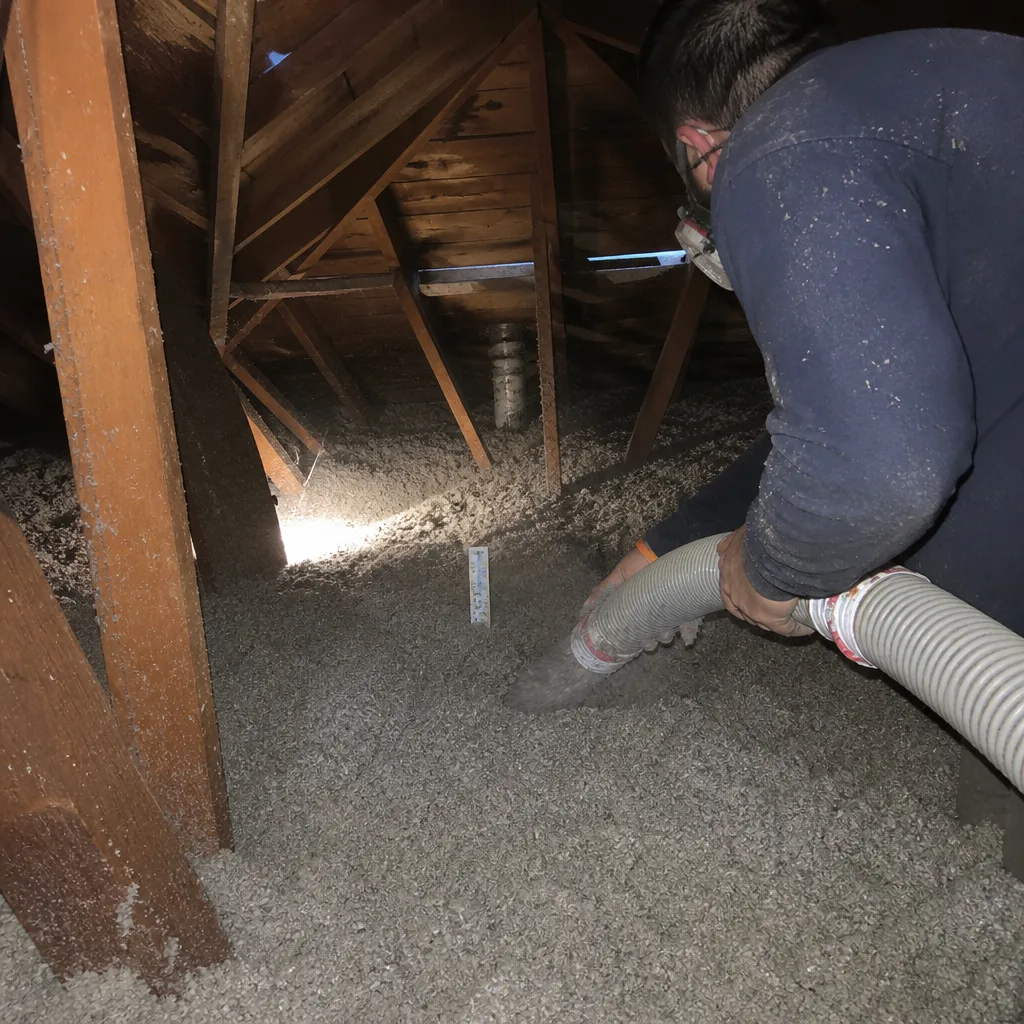
Blown-in fiberglass or cellulose is the workhorse for most Azusa attics, especially the post-WWII tract homes that make up so much of the city’s housing stock. We typically install Owens Corning AttiCat or GreenFiber cellulose, and we blow to R-49 or better, which is where California Title 24 wants you. For a 1950s ranch with settled insulation sitting at R-9, this is the single highest-ROI upgrade you can make before next summer. Loose-fill gets into the corners and around framing where batts leave gaps, and in a climate with Azusa’s day-to-night temperature swings, those gaps are where the heat sneaks through. We also keep pricing straightforward for Azusa jobs, and no trip charge means the estimate costs you nothing.
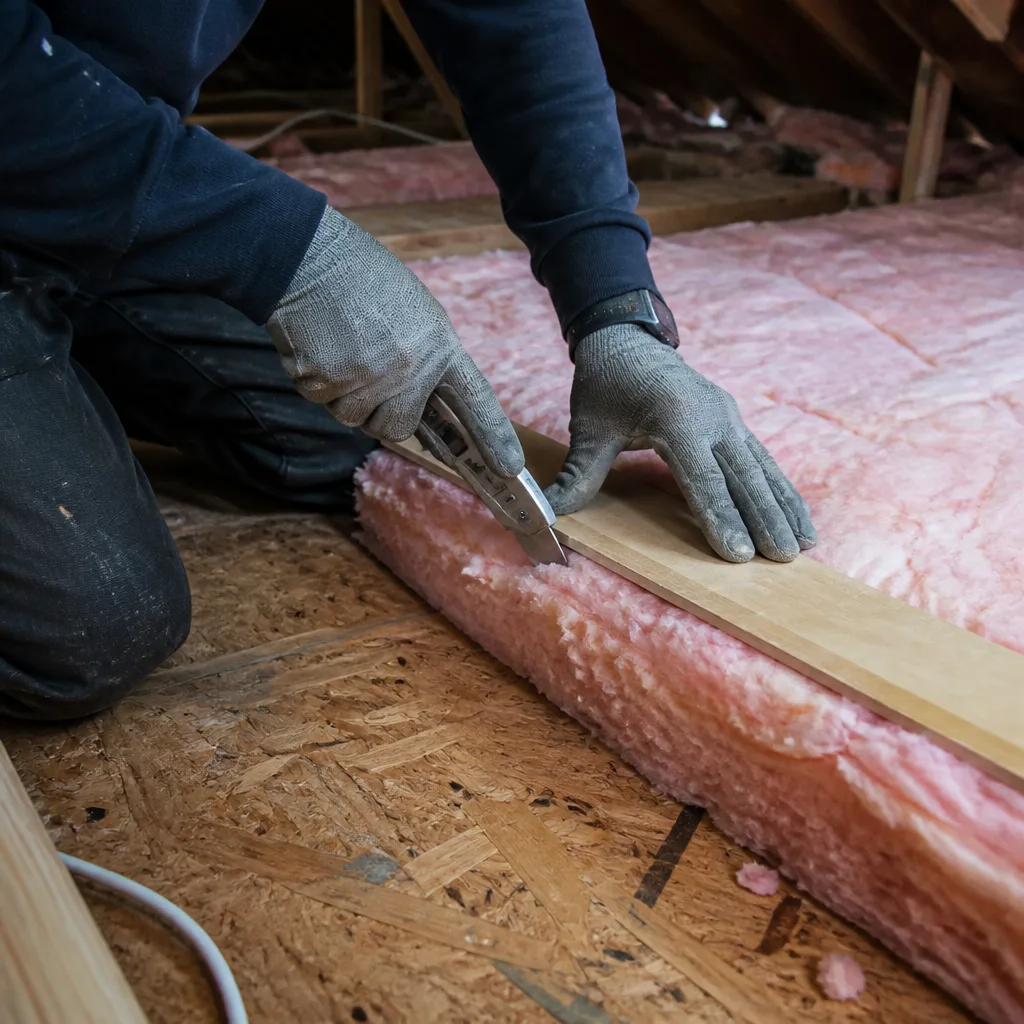
Attic Batt Insulation
Batt insulation, usually Johns Manville or Owens Corning fiberglass, makes sense when your Azusa attic has open, accessible joist bays and you want a clean, uniform install. We see this most often in newer additions or garages being converted to living space, where the framing is regular and the access is decent. Batts don’t compact over time the way loose-fill can, and they’re easy to lift and re-lay if you ever need to run new wiring or add a ceiling fan in that upstairs bedroom. The downside is fit: batts must be cut precisely around cross-bracing, plumbing vents, and can lights, or you’re basically paying for gaps. Our crews treat every bay like it’s the one the inspector will check.
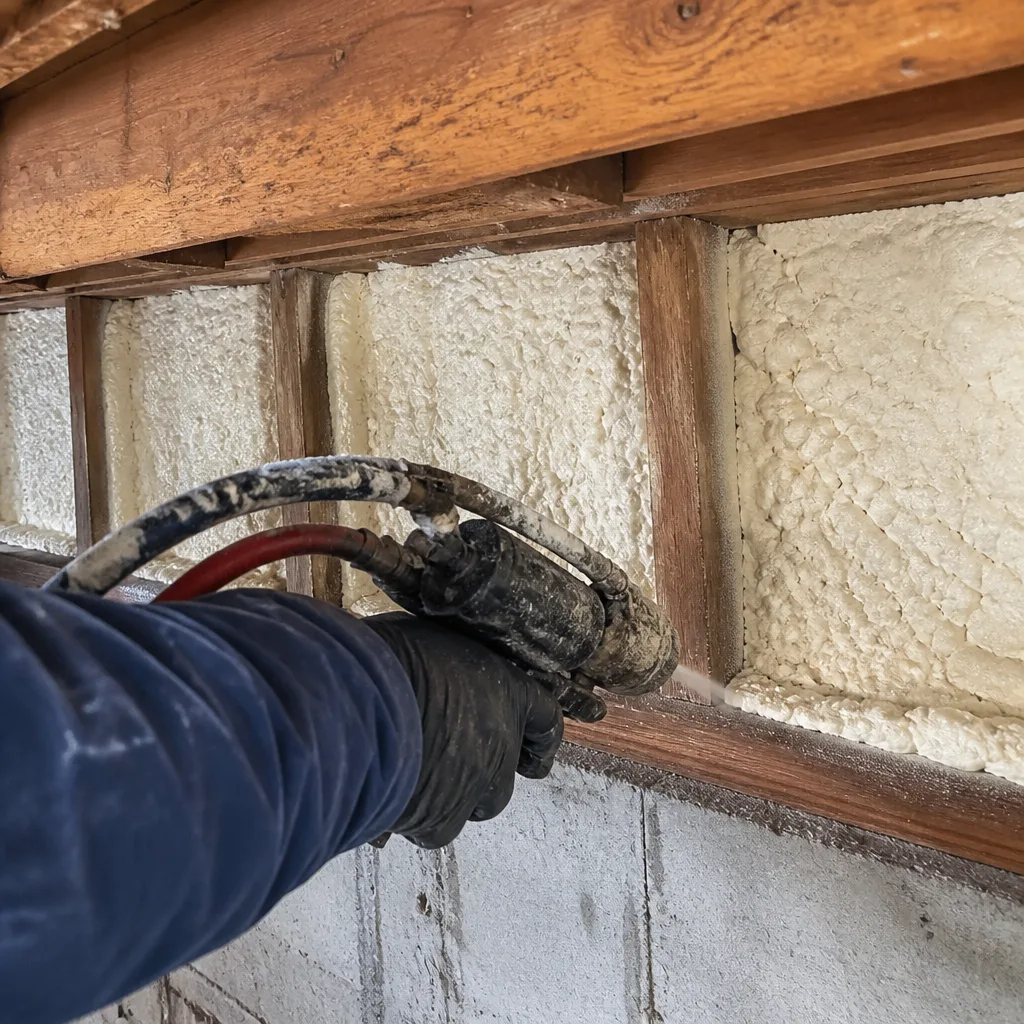
Attic Insulation Top-Up
We do more top-ups in Azusa than full replacements, and here’s why. The city’s housing stock is dominated by homes built between the late 1940s and 1970s, when builders typically blew in a thin layer of fiberglass and called it done. Forty or fifty years later, that layer has settled to R-9 or R-11, well below the R-38 minimum for attics in this climate zone. A top-up is straightforward: we inspect what’s there, remove anything that’s wet or contaminated, air-seal the attic floor, and blow new material on top to bring the total to R-49 or R-60. For most Azusa homes under 1,800 square feet, this is a one-day job. The improvement in upstairs comfort is immediate, especially in the canyon-facing streets north of Foothill Boulevard where stack-effect drafts pull cold night air through every gap in the envelope.
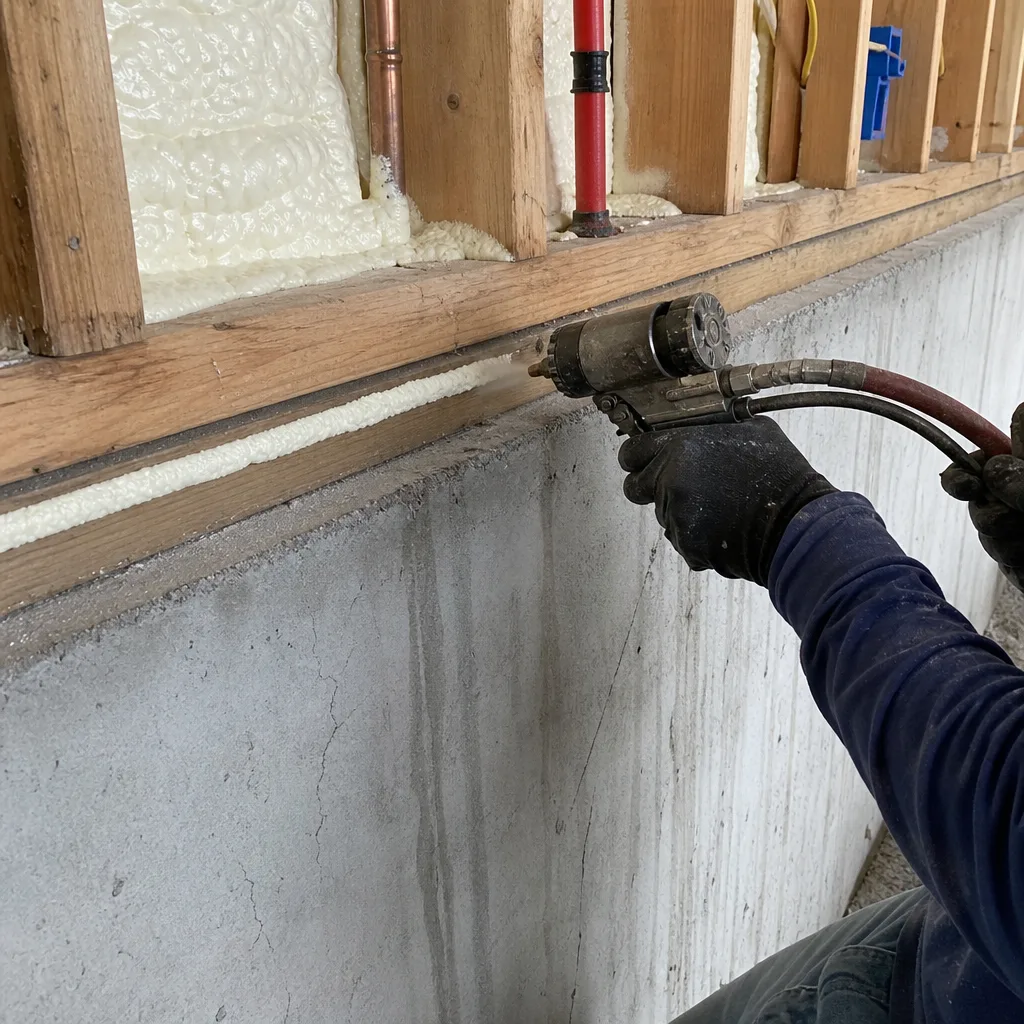
Attic Insulation Replacement
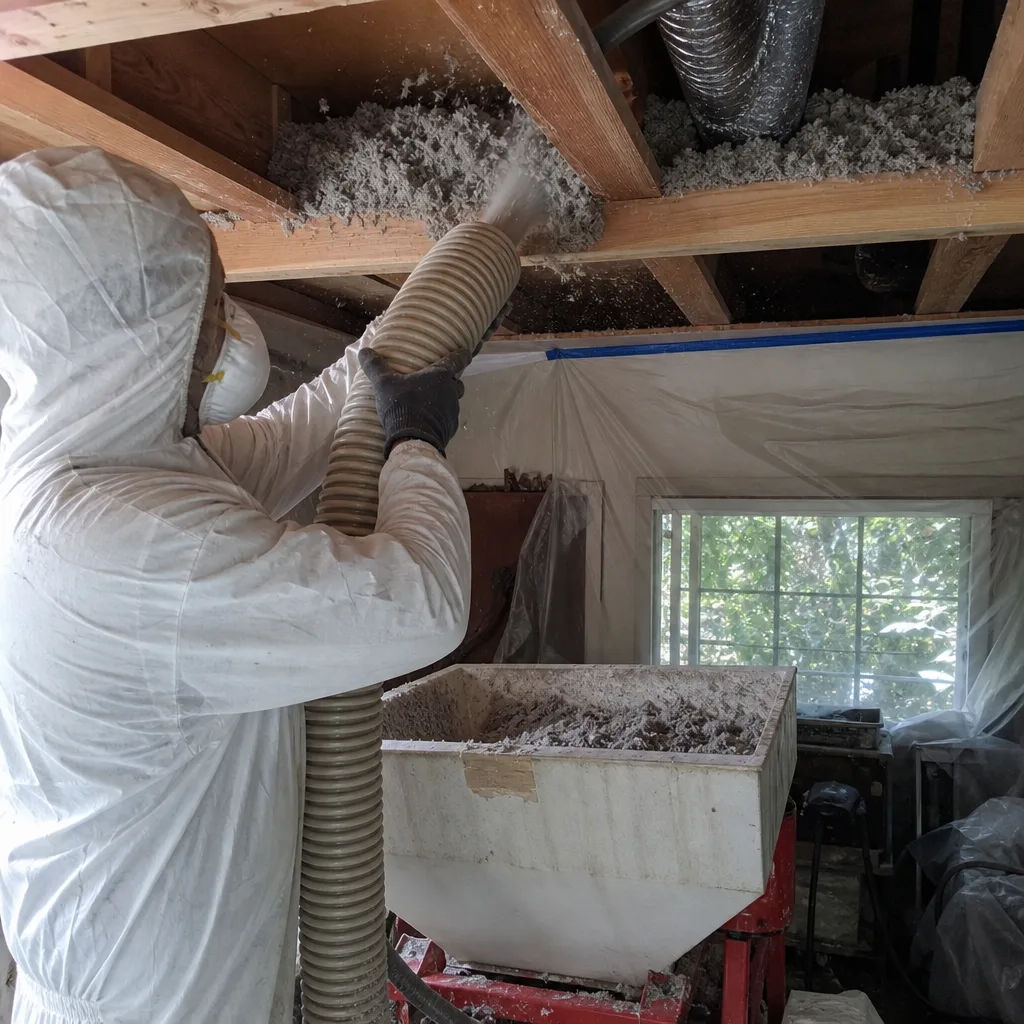
Sometimes topping up isn’t the right call. Water damage from a past roof leak, rodent activity, or decades of dust and debris can compromise existing insulation to the point where you’re better off starting fresh. We remove the old material with a commercial vacuum system, sanitize the attic floor, address the moisture or pest issue, and blow in brand-new insulation. If you’re in one of the pre-war Craftsman or Spanish Revival bungalows near downtown Azusa, we’ll also evaluate the attic and wall cavities for knob-and-tube wiring before anything goes in. Blown-in cellulose and fiberglass are fine over properly protected wiring, but if the old fabric-wrapped conductors haven’t been evaluated, adding material on top of them can create a fire risk. We check first. Not every contractor does.
Attic Baffles & Ventilation Prep
Insulation without ventilation is a half-job. In Azusa’s heat, an attic that can’t breathe turns into a convection oven, cooking your insulation and baking your roof deck. We install baffles at the soffit vents to keep air flowing from the eaves up to the ridge or roof vents, and we make sure the exhaust side is actually clear. It’s the single most overlooked step when people add attic insulation on their own. A sealed, properly vented attic means the AC doesn’t have to fight a 140°F air mass sitting above your ceilings at 4 p.m. in July. In the canyon microzone, where nighttime air drains down and pulls through every gap, baffles and air sealing are what stop the stack effect from undoing the insulation’s work.
What happens when you call
- 1
A real person answersNo phone trees - you reach a local pro.
- 2
You get an upfront price rangeHonest numbers before anyone is dispatched.
- 3
A background-checked tech heads outLicensed & insured, dispatched right away.
- 4
You approve before work beginsNothing starts until you say go.
Trusted Brands We Service in Azusa
We install products from manufacturers we’d put in our own homes. For Azusa attics, that most often means Owens Corning fiberglass and GreenFiber cellulose, plus Johns Manville for batt applications. We don’t push one material because we have a deal with the manufacturer. We spec what fits the attic, the budget, and the house. Because we stock these products locally and run crews dispatched from our Los Angeles office directly into Azusa, turnaround is fast. You’re not waiting on a truck from out of state. You’re waiting on us, and we’re down the road.
Common Attic Insulation Problems We See in Azusa Homes
- Settled insulation below R-19. Post-war tract homes off Citrus and Barranca were built with minimal attic insulation, and fifty years of settling has compressed it further. The result: ceilings that radiate heat into living spaces every afternoon from May through October.
- Unsealed attic bypasses. Recessed lights, plumbing vents, and the gap around the chimney chase all let conditioned air escape. In canyon-adjacent streets, the nighttime pressure differential actively pulls cold air through those gaps, which is why an insulated attic can still mean an AC that runs all night.
- Knob-and-tube wiring in pre-war bungalows. The older homes near downtown Azusa and along Foothill Boulevard often still have original knob-and-tube circuits in the attic. Adding blown-in insulation over unprotected or deteriorating wiring is a genuine fire risk. It has to be evaluated first, and we do that as part of every quote.
- Blocked soffit vents killing airflow. Decades of dust, old insulation, and roof repairs leave many Azusa attics with almost zero intake ventilation. Without airflow, the insulation overheats, the roof deck cooks, and the upstairs never cools down properly. Baffles and vent clearing fix this before the new insulation goes in.
Pricing for Attic Insulation in Azusa, CA
For a typical 1,200-1,800 square foot Azusa home, a full blown-in attic insulation job runs $1,500-$2,800. An attic insulation top-up over existing material is usually $900-$1,800, depending on how much needs to be added and how much air sealing we’re doing. Batt insulation in open joist bays runs $1.50-$2.50 per square foot installed. Replacement jobs, where we remove and dispose of old material first, typically start around $2,200 and go up from there. Baffle installation and ventilation prep adds $300-$700 on most single-story homes. Every Azusa quote includes air sealing at the attic floor, because without it you’re paying to heat the canyon air. Call (626) 612-1532 for an exact number.. Estimates are free, and we’ll match any written competitor quote or give you a free second opinion if you already have one.
We Also Serve Cities Near Azusa
Besides Azusa, our crews regularly handle Attic Insulation jobs in Covina, Baldwin Park, West Covina, and San Dimas. If you’re just outside city limits or on a canyon-adjacent street that’s technically unincorporated, call anyway. We know the terrain, and we don’t nickel-and-dime you for being five minutes off the map.
Serving Azusa, CA - Our Local Coverage Area
We’re based in the Azusa area and know this community well. Use the map below to see our service coverage - if you’re nearby, we can almost certainly help.
FAQs - Attic Insulation in Azusa
Your 1950s Azusa home should have at least R-38 in the attic, and we recommend R-49 for the canyon-adjacent streets. Most original-era homes are sitting at R-9 to R-19 after decades of settling, which is why so many Azusa homeowners see a huge jump in comfort after a top-up. Call (626) 612-1532 and we’ll tell you exactly what’s in your attic right now.
Yes, Azusa Light & Power runs energy-efficiency rebate programs that are separate from SCE, and most regional insulation contractors don’t know how to navigate them. Your attic insulation work may qualify for direct rebates through ALP’s efficiency programs, which means money back that a contractor unfamiliar with Azusa’s municipal utility won’t even mention. We handle the paperwork as part of the job.
Absolutely. The older Craftsman and Spanish Revival homes near downtown Azusa often have knob-and-tube wiring that must be evaluated before blown-in insulation goes into the attic or walls. Our crew checks for that first, because putting fiberglass or cellulose over deteriorated knob-and-tube conductors is a fire hazard, and no rebate or R-value is worth that risk. We’ll tell you honestly if your home is a candidate, and we’ll show you what we find.
Because sealing attic bypasses is what stops canyon air from stealing your conditioned air all night. Azusa sits at the mouth of San Gabriel Canyon, and the nightly pressure differential means gaps around can lights, plumbing vents, and the chimney chase actively pull cool air out of your home. Insulation without air sealing just covers up the leaks. Insulation with sealing actually fixes the problem.
Batts are pre-cut fiberglass or mineral wool blankets laid between joists, and they’re best for attics with regular framing and easy access. Blown-in loose-fill is faster to install, gets into tight corners, and covers framing members where batts leave thermal bridges. For most Azusa homes with post-war framing and irregular attic spaces, blown-in is the more practical and higher-performance option. We’ll recommend the right one based on your attic, not a sales quota.
Written by Walt Brenner, Owner at Walt’s Insulation, serving Azusa and the San Gabriel Valley since 2000.